
Publications

CLIENT SUCCESS STORIES
Publications
Progressive Load: The Forgotten Principle Behind Muscle Hypertrophy for Natural Bodybuilders (2025)
Horn J. (2025). Progressive Load: The Forgotten Principle Behind Muscle Hypertrophy for Natural Bodybuilders. JEPonline;28 (6):14-31. (PDF)
Abstract
Strength training to build muscle has evolved over the past century with lifters employing various methods from advanced strength training techniques to specific nutrition methods to anabolic steroids. The principle of progressive overload is to gradually increase the exercise stress on the musculoskeletal system and the nervous system, which has been an accepted model to elicit strength training adaptations. However, the increase in load by itself as a facilitator to increasing muscularity is a debated strategy in recent years. Moreover, with the widespread adoption of anabolic steroids since the 1960s, progressive loading as a standalone variable may not be as relevant to enhanced individuals, but instead holds greater significance for those who do not use bodybuilding drugs. This critical review explores the significance of progressive mechanical tension and its role in hypertrophy. A structured literature search was performed in PubMed and Scopus using Boolean operators with terms such as natural bodybuilding, muscle growth in bodybuilding, and progressive overload resistance training. After screening titles and abstracts and applying inclusion and exclusion criteria, relevant sources were reviewed. Reference mining further expanded the final analysis, suggesting that natural lifters respond best to structured programs centered on progressive loading, whereas anabolic steroid users may depend less on progression and more on volume as their primary hypertrophic driver. Hence, this review challenges the prevailing volume-centric paradigm in hypertrophy research for drug free lifters by concluding that progressive load and intensity of effort are the most critical drivers of muscle growth.
The dichotomy between health and drug abuse in bodybuilding (2023)
Horn J. (2023). The dichotomy between health and drug abuse in bodybuilding. Nordic Studies on Alcohol and Drugs; 41(2):212-225. doi:10.1177/14550725231206011
Abstract
Aim: The aim of the present study was to investigate the expansion and prevalence of anabolic steroid use by examining the divergent effects between health and drug abuse and to create more awareness around the harmful consequences of these drugs when administered at abusive levels. Methods: A focused and concise literature search was conducted, and 101 high-quality articles were included in the review. Results: The findings underscore the adverse health risks of steroid abuse, emphasizing the stark contrast between health and drug abuse. Conclusions: While steroids and other performance-enhancing drugs can yield muscle growth, strength and even fat loss, abusing these substances can lead to adverse health outcomes. Furthermore, within the fitness subculture, particularly in the realm of bodybuilding, steroid abuse fosters an atmosphere of cheating and deception, frequently downplaying or ignoring the negative and sometimes deadly consequences it brings.
Instability Functional Training: Evidence-Based Recommendations for Coaches (2023)
Horn J. (2023). Instability Functional Training: Evidence-Based Recommendations for Coaches: Brief Review. Research in Strength and Performance; 3(1). doi: 10.53520/rdsp2023.10561
Abstract
Instability Functional Training (IFT) has been a popular form of program design in personal training certifications, and thus, widely accepted among trainers and coaches when creating programs for their clients. Training philosophies around this exercise style have been plotted in various directions, ranging from mainstream advocacy to vehement opposition. It is common practice for personal trainers to utilize unstable training and blanket all clients into this methodology in specific and non-specific exercise programs. The research does support its viability in clinical rehabilitation settings; however, it may not benefit a healthier population and may even undermine their goals. We ask trainers and coaches to consider their current position on the validity of IFT and to examine the evidence when programming it for the general public whose primary goal is to improve how they look (e.g., lose fat mass and increase lean body mass). Therefore, this article aims to help identify the merit of instability functional training, objectively review the current literature and recommend a practical approach for trainers and coaches when designing general exercise programs for clients with aesthetic goals.
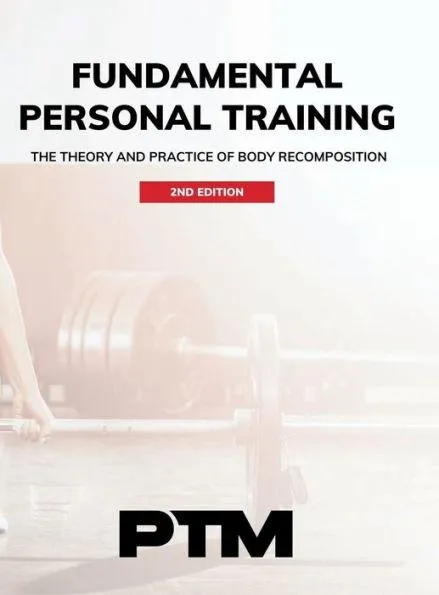
Fundamental Personal Training: The Theory and Practice of Body Recomposition (2022)
Overview
Fundamental Personal Training is a full-colored textbook focused on teaching personal trainers the needed skill of body recomposition. This educational manual is backed by science and complemented by years of training experience in the gym trenches. This book strips everything down to its fundamental form, where theory and practice merge, so the personal trainer can properly apply their craft and achieve superior results with clients. Supported by research, this manual has over 1000 references littered throughout to ensure the accuracy and thorough examination of exercise science and its application.
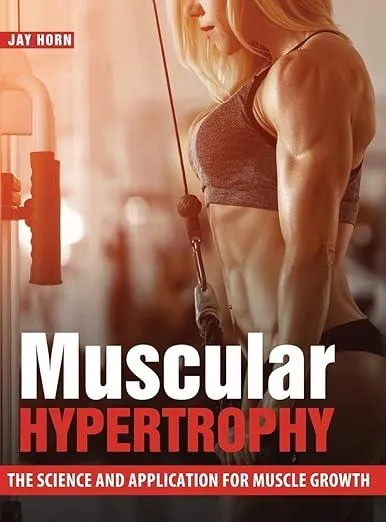
Muscular Hypertrophy: The Science and Application for Muscle Growth (2019)
Overview
Muscular Hypertrophy provides the science, rationale, and application so that you can put theory into practice and increase your muscle mass. With the abundant amount of research we have today in the field of exercise science, and more specifically skeletal muscle hypertrophy, there is no reason why you cannot reach your full muscular potential. Muscular Hypertrophy is a research-based, educational book for those who have the desire to learn more about the riveting science and practical application of how and why our muscles grow. Academically, this book can also be utilized as a comprehensive learning tool for university students. Thus, this text is for a variety of individuals--personal trainers, exercise scientists, college students, exercise enthusiasts, fitness competitors, or anyone with the hunger to gain a better understanding of muscular growth.

Stage Ready: A Complete Guide to Natural Contest Prep (2016)
Overview
Stage Ready goes against the conventional grain in how to apply contest preparation. Not only does it give you important details needed for this journey, but it also doesn't bombard you with the "broscience" you are routinely exposed to in the fitness circles. This innovative book discusses all aspects of bodybuilding competitions, such as preparation methods, peaking, drug usage, posing, politics, and much more. With this book, you will actualize your vision of stepping on stage; if you are already a competitor, you’ll be refreshed with a different perspective.

Applied Exercise Science (2015)
Overview
When it comes to purchasing a book on exercise, it can be a very daunting and exhausting decision as to which book to place your trust in and buy. The majority of books typically offer only one of two things, A) theoretical material without practical application (academia texts), or B) applicable material without theoretical scientific backing (books by practitioners). Unfortunately, most of the books on the market do not combine the two, and this is where Applied Exercise Science excels. This book elucidates the application of exercise and nutrition, whereby bridging the gap between theory and practice on a comprehensive level where you–the reader-can understand and apply the sciences. Applied Exercise Science is broken into five sections: foundations, unified exercise theory, research, application and nutrition.



Progressive Load: The Forgotten Principle Behind Muscle Hypertrophy for Natural Bodybuilders (2025)
Horn J. (2025). Progressive Load: The Forgotten Principle Behind Muscle Hypertrophy for Natural Bodybuilders. JEPonline;28 (6):14-31. (PDF)
Abstract
Strength training to build muscle has evolved over the past century with lifters employing various methods from advanced strength training techniques to specific nutrition methods to anabolic steroids. The principle of progressive overload is to gradually increase the exercise stress on the musculoskeletal system and the nervous system, which has been an accepted model to elicit strength training adaptations. However, the increase in load by itself as a facilitator to increasing muscularity is a debated strategy in recent years. Moreover, with the widespread adoption of anabolic steroids since the 1960s, progressive loading as a standalone variable may not be as relevant to enhanced individuals, but instead holds greater significance for those who do not use bodybuilding drugs. This critical review explores the significance of progressive mechanical tension and its role in hypertrophy. A structured literature search was performed in PubMed and Scopus using Boolean operators with terms such as natural bodybuilding, muscle growth in bodybuilding, and progressive overload resistance training. After screening titles and abstracts and applying inclusion and exclusion criteria, relevant sources were reviewed. Reference mining further expanded the final analysis, suggesting that natural lifters respond best to structured programs centered on progressive loading, whereas anabolic steroid users may depend less on progression and more on volume as their primary hypertrophic driver. Hence, this review challenges the prevailing volume-centric paradigm in hypertrophy research for drug free lifters by concluding that progressive load and intensity of effort are the most critical drivers of muscle growth.
The dichotomy between health and drug abuse in bodybuilding (2023)
Horn J. (2023). The dichotomy between health and drug abuse in bodybuilding. Nordic Studies on Alcohol and Drugs; 41(2):212-225.
Abstract
Aim: The aim of the present study was to investigate the expansion and prevalence of anabolic steroid use by examining the divergent effects between health and drug abuse and to create more awareness around the harmful consequences of these drugs when administered at abusive levels. Methods: A focused and concise literature search was conducted, and 101 high-quality articles were included in the review. Results: The findings underscore the adverse health risks of steroid abuse, emphasizing the stark contrast between health and drug abuse. Conclusions: While steroids and other performance-enhancing drugs can yield muscle growth, strength and even fat loss, abusing these substances can lead to adverse health outcomes. Furthermore, within the fitness subculture, particularly in the realm of bodybuilding, steroid abuse fosters an atmosphere of cheating and deception, frequently downplaying or ignoring the negative and sometimes deadly consequences it brings.
Instability Functional Training: Evidence-Based Recommendations for Coaches (2023)
Horn J. (2023). Instability Functional Training: Evidence-Based Recommendations for Coaches: Brief Review. Research in Strength and Performance; 3(1)
Abstract
Instability Functional Training (IFT) has been a popular form of program design in personal training certifications, and thus, widely accepted among trainers and coaches when creating programs for their clients. Training philosophies around this exercise style have been plotted in various directions, ranging from mainstream advocacy to vehement opposition. It is common practice for personal trainers to utilize unstable training and blanket all clients into this methodology in specific and non-specific exercise programs. The research does support its viability in clinical rehabilitation settings; however, it may not benefit a healthier population and may even undermine their goals. We ask trainers and coaches to consider their current position on the validity of IFT and to examine the evidence when programming it for the general public whose primary goal is to improve how they look (e.g., lose fat mass and increase lean body mass). Therefore, this article aims to help identify the merit of instability functional training, objectively review the current literature and recommend a practical approach for trainers and coaches when designing general exercise programs for clients with aesthetic goals.
Fundamental Personal Training: The Theory and Practice of Body Recomposition (2022)
Overview
Fundamental Personal Training is a full-colored textbook focused on teaching personal trainers the needed skill of body recomposition. This educational manual is backed by science and complemented by years of training experience in the gym trenches. This book strips everything down to its fundamental form, where theory and practice merge, so the personal trainer can properly apply their craft and achieve superior results with clients. Supported by research, this manual has over 1000 references littered throughout to ensure the accuracy and thorough examination of exercise science and its application.
Muscular Hypertrophy: The Science and Application for Muscle Growth (2019)
Overview
Muscular Hypertrophy provides the science, rationale, and application so that you can put theory into practice and increase your muscle mass. With the abundant amount of research we have today in the field of exercise science, and more specifically skeletal muscle hypertrophy, there is no reason why you cannot reach your full muscular potential. Muscular Hypertrophy is a research-based, educational book for those who have the desire to learn more about the riveting science and practical application of how and why our muscles grow. Academically, this book can also be utilized as a comprehensive learning tool for university students. Thus, this text is for a variety of individuals--personal trainers, exercise scientists, college students, exercise enthusiasts, fitness competitors, or anyone with the hunger to gain a better understanding of muscular growth.
Stage Ready: A Complete Guide to Natural Contest Prep (2016)
Overview
Stage Ready goes against the conventional grain in how to apply contest preparation. Not only does it give you important details needed for this journey, but it also doesn't bombard you with the "broscience" you are routinely exposed to in the fitness circles. This innovative book discusses all aspects of bodybuilding competitions, such as preparation methods, peaking, drug usage, posing, politics, and much more. With this book, you will actualize your vision of stepping on stage; if you are already a competitor, you’ll be refreshed with a different perspective.
Applied Exercise Science (2015)
Overview
When it comes to purchasing a book on exercise, it can be a very daunting and exhausting decision as to which book to place your trust in and buy. The majority of books typically offer only one of two things, A) theoretical material without practical application (academia texts), or B) applicable material without theoretical scientific backing (books by practitioners). Unfortunately, most of the books on the market do not combine the two, and this is where Applied Exercise Science excels. This book elucidates the application of exercise and nutrition, whereby bridging the gap between theory and practice on a comprehensive level where you–the reader-can understand and apply the sciences. Applied Exercise Science is broken into five sections: foundations, unified exercise theory, research, application and nutrition.